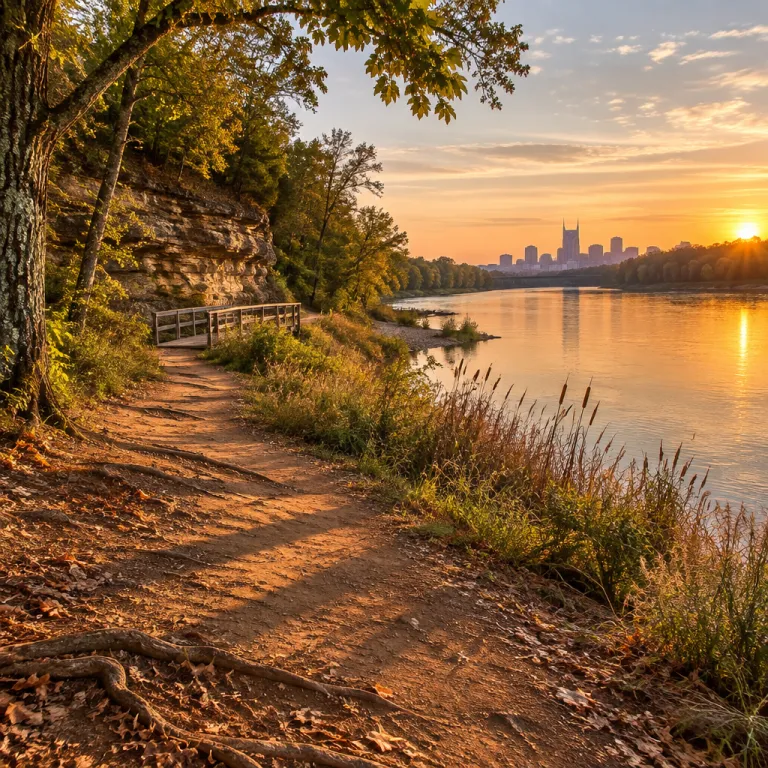
Best parks in Nashville for hiking near rivers, lakes, and hotels
Why hikers booking a hotel in Nashville should care about rivers and lakes
Nashville rewards travelers who pair an urban hotel stay with time in a nearby park. Along the Cumberland River and around every lake, you will find trails that turn a short hike into a full sensory reset. For guests choosing where to sleep, proximity to these parks and hiking routes can be just as important as distance in miles to Broadway.
The best parks in Nashville for hiking sit in a surprisingly varied landscape, from the wooded ridges of Percy Warner to the calm waters of Radnor Lake. When you book a room in a central park neighborhood or a riverside area, you gain fast access to a different kind of Music City rhythm, one set by birds, creek sounds, and your own hiking pace. Selecting a hotel located near a state park, a river recreation area, or a lakefront trail can turn a standard city break into a restorative outdoor retreat.
Families traveling with kids often look for a short loop trail rated easy, while more experienced hikers may want longer hiking routes that cover several miles. Dog owners usually need a dog park nearby plus a dog friendly trail where leashes are welcome but crowds are light. By understanding how Nashville parks connect to the river, each lake, and the wider state park network, you can choose accommodation that supports every hike you hope to take.
Radnor Lake and its quiet trails near city hotels
At a glance: about 8 miles (15–20 minutes by car) from downtown; main loop 2.5 miles, easy; no dogs or bikes allowed on trails.
Radnor Lake ranks among the best parks in Nashville for hiking if you value silence, wildlife, and car free paths. The protected area around Radnor Lake is located about 8 miles south of downtown, close enough that many Green Hills and Brentwood hotels market easy access to its hiking trails. For travelers who want a calm morning hike before a busy conference or concert, this state natural area is a great option.
Most visitors start with the Lake Trail, a mostly flat loop that circles Radnor Lake for roughly 2.5 miles and keeps the overall difficulty easy. This circuit is ideal for kids who are new to hiking, and it allows adults to enjoy herons, turtles, and deer without worrying about steep climbs or confusing turns on the path. Because Radnor Lake is not a traditional state park with playgrounds or a dog park, it suits guests seeking a focused nature hike rather than a loud picnic scene.
Hotels in south Nashville often highlight how quickly you can reach Radnor Lake by car, sometimes in less than 20 minutes depending on traffic and exact mileage. If you prefer to study a trail map before you go, ask your hotel front desk for printed maps or guidance on which route or loop best matches your fitness level. When you compare parks in this area, Radnor stands out for its strict protection rules, which keep the trails in excellent condition and preserve the feeling of a wild refuge within a major state capital.
Percy Warner and Edwin Warner Park: classic Nashville ridge hiking
At a glance: roughly 9–10 miles (20–25 minutes) west of downtown; loops from under 2 miles to 5+ miles; most trails moderate with some steep sections; dogs allowed on leash.
West of downtown Nashville, Percy Warner and Edwin Warner Park form a vast green system that locals simply call Warner Park. These two connected parks offer some of the best parks in Nashville for hiking when you want rolling hills, forested ridges, and a choice of loop trails. Travelers staying in Belle Meade or the nearby park neighborhoods can reach a trailhead in minutes, making a pre breakfast hike entirely realistic.
Percy Warner is known for its iconic stone steps at the main entrance and a network of hiking trails that range from easy strolls to more demanding ridge routes. The popular 5.1 mile loop, often called the Warner Park white trail, gives you sustained climbs, shaded sections, and frequent views across the wooded area. For guests who track their workout, this circuit offers enough distance and elevation change to feel like a proper hike rather than a city stroll.
Edwin Warner Park, slightly gentler, is a great option for families with kids or for travelers easing into hiking after a long flight. Here you will find shorter trails Nashville visitors can complete in under two hours, plus open fields and a well maintained dog park where your dog can run before or after a hike. When choosing a hotel in west Nashville, ask how far it is from a Warner Park trailhead, and whether staff can provide a current trail map so you can match your hike to your schedule and fitness level.
Riverside escapes: Harpeth River, river state areas, and lakes
At a glance: Harpeth River access points 20–35 minutes west of downtown; short trails rated easy to moderate; most areas dog friendly on leash, but always verify current rules.
Travelers who want water views with their hiking often look beyond central Nashville to the Harpeth River and nearby river recreation areas. Harpeth River State Park, spread along several access points west of the city, offers short hiking trails that lead to bluffs, bends in the river, and historic sites. Many hotels along Interstate 40 west or in Bellevue promote their location as a great option for guests who plan to paddle, hike, and return to town for dinner.
One of the most scenic sections is the Harpeth River Narrows, where a short trail climbs to a bluff overlook with impressive views of the river loop below. The hike is only a few miles in total, but the combination of stone cuts, river sounds, and open sky makes it feel far from Nashville traffic. Because the difficulty is easy to moderate, this area works well for mixed ability groups, including kids who can handle a brief climb and adults who want memorable photographs.
East of the city, Percy Priest Lake and Old Hickory Lake add more lakeside trail options for visitors staying in Donelson, Hermitage, or Hendersonville. While these are not full state park complexes, they include shoreline parks where you can walk, run, or plan a relaxed hike before returning to your hotel. When you compare river access points and lake parks, pay attention to whether a dog is allowed on each trail, how many miles of paths are available, and whether facilities such as restrooms or picnic areas match your expectations for a comfortable outing.
Day trips from Nashville: falls, state parks, and longer hikes
At a glance: most waterfall state parks 90–120 minutes from central Nashville by car; trails range from easy overlooks to strenuous creek routes; dog policies vary by park.
Some of the best parks in Nashville for hiking actually sit just beyond the city, in state park and waterfall destinations that make excellent day trips. Travelers who book a central Nashville hotel can still reach Cummins Falls State Park, Burgess Falls State Park, and other waterfall areas within roughly 90 to 120 minutes by car. These parks reward the effort with dramatic falls, creek crossings, and longer hiking trails that contrast with the gentler city parks.
Cummins Falls offers a rugged hike along the creek to a powerful waterfall, but visitors must check current safety rules and understand that the difficulty is not always easy. Burgess Falls features a series of cascades along a well marked trail, with overlooks that suit kids and adults who prefer to stay on higher ground rather than scramble on wet rocks. When planning these trips from Nashville, study the mileage for each trail, confirm whether a dog is permitted, and ask your hotel staff for the latest advice on driving times and parking conditions.
Closer to the city, Long Hunter State Park on Percy Priest Lake provides a balance between lakeshore scenery and manageable loop distances. Here you can choose a short hike rated easy for families, or a longer trail that follows the shoreline for several miles, giving a sense of remoteness while remaining within a reasonable drive of most Nashville hotels. Guests who value structure should download a trail map in advance, while those who prefer spontaneity can simply follow waymarked loops and return to town in time for an evening show.
Choosing the right Nashville hotel for park access and riverside ambience
When you compare hotels in Nashville, think beyond room size and breakfast to how each property connects you with a nearby park or riverfront area. A stay near Centennial Park places you in a lively park neighborhood with lawns, monuments, and short trails Nashville visitors can enjoy between meetings or concerts. Guests who prefer quieter mornings might choose a hotel closer to Radnor Lake, Warner Park, or the Harpeth River corridor for faster access to longer hikes.
Riverside and waterfront properties along the Cumberland River offer a different advantage for hikers, because you can pair a morning riverfront walk with a later drive to Percy Warner, Edwin Warner, or a state park such as Long Hunter. If you are planning how many days to spend in the city, resources like a detailed guide to planning the perfect hotel stay in Music City can help you balance urban time with trail time. Once you know how many miles you realistically want to hike, you can choose whether a downtown, west side, or lakefront hotel is the best match.
Families with kids and a dog should ask specifically about nearby dog park facilities, sidewalks to reach a local park safely, and any hotel partnerships with outdoor outfitters. Business travelers may prefer a central address near Centennial Park, where a short loop or lakeside stroll can fit between sessions, while weekend guests might prioritize quick driving access to Radnor Lake or Warner Park. By aligning your hotel choice with the parks, trails, and river areas you most want to explore, you turn Nashville from a simple city break into a layered experience of music, water, and woodland hikes.
Key figures on Nashville parks, trails, and hiking access
- Metro Nashville Parks and Recreation manages more than 190 parks and over 90 miles of greenway trails across the metropolitan area, giving hotel guests a wide range of hiking options within a short drive (Metro Nashville Parks and Recreation, official data; verify current figures on the department’s official website).
- Radnor Lake State Natural Area protects roughly 1,368 acres of forest and lake habitat, with several miles of designated hiking trails where motor vehicles and bicycles are prohibited to preserve wildlife viewing (Tennessee State Parks, official site; check the latest map and regulations before visiting).
- Warner Parks, combining Percy Warner and Edwin Warner, cover over 3,100 acres and include more than 17 miles of hiking trails, making this system one of the largest municipal park complexes in Tennessee (Friends of Warner Parks, organizational data; consult their current trail resources for updates).
- Harpeth River State Park stretches along approximately 40 miles of the Harpeth River corridor, with multiple access points that offer short hikes, paddling launches, and historic sites within day trip distance of Nashville hotels (Tennessee State Parks, official site; confirm access conditions and water levels before you go).
- Long Hunter State Park on Percy Priest Lake includes over 20 miles of trails, ranging from easy lakeside walks to longer backcountry routes, which allows visitors of varied fitness levels to find an appropriate hike (Tennessee State Parks, official site; review current trail descriptions and any seasonal closures).
FAQ: hiking and hotel choices near Nashville parks
Which Nashville park is best for a short, easy hike near downtown ?
Centennial Park is the most convenient option for a short, easy walk near many downtown and Midtown hotels. The paved paths around the lake and lawns suit kids, casual walkers, and guests recovering from long travel days. For a slightly longer outing with more trees, the greenways along the Cumberland River also work well.
Where should I stay if I want fast access to Radnor Lake and Warner Park ?
Hotels in the Green Hills, Belle Meade, and south Nashville areas place you within a short drive of both Radnor Lake and the Warner Park system. These neighborhoods balance residential calm with restaurant access, which suits travelers who hike in the morning and dine out at night. When booking, check the stated miles to the nearest trailhead and ask whether staff can provide a current trail map.
Are there good hiking options if I stay in downtown Nashville ?
Yes, guests based in downtown Nashville can reach Percy Warner, Edwin Warner, Radnor Lake, and Harpeth River State Park in roughly 20 to 35 minutes by car, depending on traffic. Centennial Park and the riverfront greenways are even closer for quick walks or runs. Many hotels also partner with transport services, making it easier to reach more remote trailheads without renting a car.
Can I bring my dog on Nashville hiking trails ?
Many Nashville parks welcome dogs on leashes, and several include a dedicated dog park, but Radnor Lake has stricter rules and does not allow dogs on its hiking trails. Warner Park, Harpeth River access points, and most city greenways are more dog friendly, provided you follow leash and waste regulations. Always confirm current policies with Metro Nashville Parks or Tennessee State Parks before you hike.
Is it realistic to visit Cummins Falls or Burgess Falls on a day trip from Nashville ?
Both Cummins Falls State Park and Burgess Falls State Park are realistic day trips from Nashville for guests comfortable with 90 to 120 minutes of driving each way. Many visitors leave their hotel early, hike one or two trails, and return to the city for dinner. Because conditions at the falls can change with weather and water levels, check official Tennessee State Parks updates before you go.